Editable Fitness Tracker: A Versatile Tool for Personal and Professional Use
For anyone looking to track their fitness journey, whether for personal goals or professional projects, an Editable Fitness Tracker offers a powerful solution. These tools are designed to be flexible, allowing users to customize data entry, set specific objectives, and monitor progress over time. With the right features, an Editable Fitness Tracker can become an essential part of daily routines, helping individuals stay motivated and on track.
Understanding the Features of an Editable Fitness Tracker
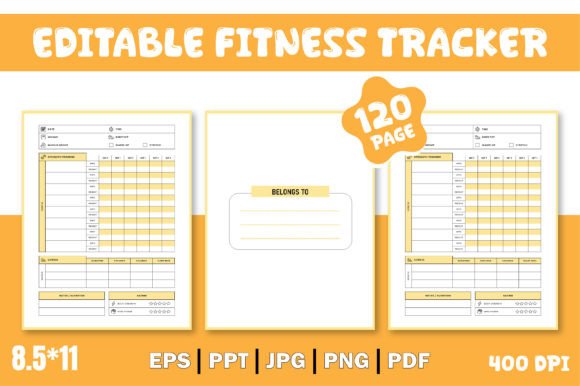
An Editable Fitness Tracker comes in various formats, each tailored to different needs and preferences. One popular option is a downloadable PDF file that includes 120 pages of customizable content. This format is ideal for those who prefer a physical copy or want to print out their tracking sheets for easy reference. The printable nature of these files ensures that users can access their data anywhere, without relying on digital devices.
In addition to the PDF version, many Editable Fitness Tracker packages include an editable template in EPS or PowerPoint format. These digital files allow for more advanced customization, making it easy to adjust layouts, add graphics, or integrate with other project materials. Whether you're creating a fitness plan for a client or managing your own routine, having the ability to edit these templates provides a level of flexibility that standard trackers often lack.
Practical Benefits of Using an Editable Fitness Tracker
The versatility of an Editable Fitness Tracker makes it suitable for a wide range of applications. For instance, fitness professionals can use these tools to design personalized workout plans for clients. By adjusting the tracker’s layout and content, they can create unique forms that reflect individual goals, such as weight loss, muscle gain, or endurance training. This level of customization helps ensure that each client receives a tailored approach, improving the effectiveness of their fitness regimen.
For individuals, an Editable Fitness Tracker can be a valuable tool for self-improvement. Users can track daily activities, meals, sleep patterns, and exercise routines, all in one place. The ability to modify the tracker means that users can adapt it to their specific needs, whether they're following a strict diet, preparing for a marathon, or simply trying to maintain a healthier lifestyle. This adaptability makes the Editable Fitness Tracker a long-term investment rather than a one-size-fits-all solution.
Design and Format Considerations
When choosing an Editable Fitness Tracker, it's important to consider the design and format. Many packages include files in 8.5″ x 11″ dimensions, which is a standard size for printing. This makes it easy to fit the tracker into notebooks, binders, or folders, ensuring that it remains accessible and organized. The high resolution of 400 DPI ensures that printed versions look sharp and clear, making it easier to read and update regularly.
Some Editable Fitness Tracker packages also include JPG and PNG files, which can be useful for digital use. These image formats are compatible with most software and platforms, allowing users to share their progress online or integrate the tracker into digital journals and apps. The inclusion of multiple file types ensures that the tracker can be used across different mediums, enhancing its overall utility.
Integration into Modern Workflows
As more people adopt hybrid work and lifestyle models, the need for adaptable tools has never been greater. An Editable Fitness Tracker fits seamlessly into modern workflows by offering both digital and physical options. For example, remote workers can use the digital version to log their daily steps, while keeping a printed copy on their desk for quick updates. This dual-use approach helps maintain consistency and accountability, even when working from home or on the go.
Moreover, educators and trainers can incorporate an Editable Fitness Tracker into lesson plans or group programs. By customizing the template, they can create interactive exercises that encourage students or participants to track their progress. This not only enhances engagement but also fosters a sense of community and shared goals.
Recommendations for Choosing the Right Tracker
When selecting an Editable Fitness Tracker, it's important to evaluate your specific needs. If you require a highly customizable option, look for packages that include EPS or PowerPoint files. These formats offer the most flexibility, allowing you to adjust the layout, add images, or integrate with other design elements. On the other hand, if you prefer a simpler, ready-to-print solution, a PDF version may be more suitable.
Additionally, consider the level of detail you need in your tracking. Some Editable Fitness Tracker templates include space for notes, goal setting, and progress summaries, while others focus solely on data entry. Choosing a tracker that aligns with your tracking habits will make it easier to maintain consistency over time.
Conclusion
An Editable Fitness Tracker is more than just a tool for monitoring workouts—it's a customizable resource that can support a variety of fitness goals and lifestyles. With features like printable PDFs, editable templates, and high-resolution files, these trackers offer the flexibility needed to adapt to changing needs. Whether you're a fitness enthusiast, a professional trainer, or someone looking to improve their health, an Editable Fitness Tracker can provide the structure and guidance necessary to achieve success. By understanding the available options and considering your specific requirements, you can choose a tracker that fits your workflow and helps you stay on track toward your goals.