Weekly To Do List, Daily Weekly Planner: Streamline Your Productivity
In today’s fast-paced world, staying organized is more important than ever. Whether you're a busy professional, a creative entrepreneur, or someone juggling multiple responsibilities, having the right tools to manage your time and tasks can make all the difference. A weekly to do list, daily weekly planner, and undated weekly planner are essential resources that help you stay on track, prioritize effectively, and maintain control over your schedule.
Why Weekly To Do List and Weekly Schedule Planner Matter
The concept of planning has evolved significantly over the years. With the rise of remote work, hybrid schedules, and digital distractions, many people find it challenging to maintain focus and consistency. This is where a weekly to do list template and weekly schedule planner come into play. These tools offer a structured approach to managing your week, allowing you to break down larger goals into manageable tasks.
Unlike traditional planners that may be tied to specific dates, an undated weekly planner provides flexibility. You can start fresh at any point, making it ideal for those who prefer a more adaptable planning style. Whether you’re mapping out your week in advance or adjusting as needed, these planners support a dynamic workflow without the pressure of rigid timelines.
Trends in Modern Planning and Organization
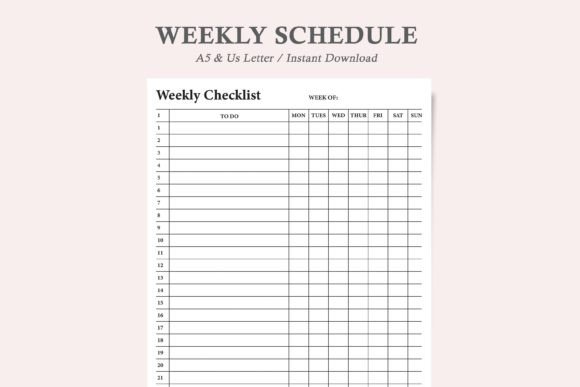
Recent trends in productivity have highlighted the importance of intentional planning. More individuals are embracing time-blocking and task prioritization as ways to increase efficiency. The demand for printable weekly checklists and weekly task planners reflects a growing preference for tangible, customizable tools that complement digital workflows.
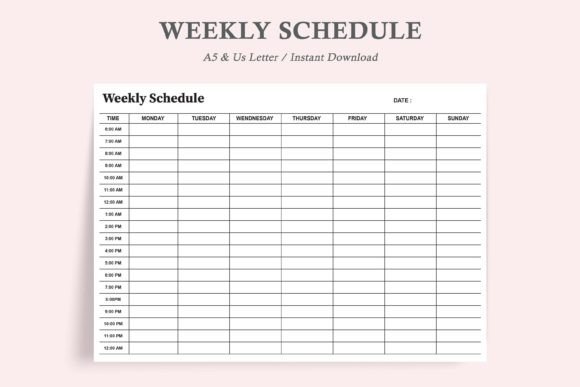
With the increasing use of smartphones and apps for scheduling, some might wonder why physical planners remain relevant. The answer lies in their simplicity and effectiveness. A weekly blank or weekly timetable allows for a tactile experience that can enhance focus and reduce screen time. It also offers a visual representation of your progress, which can be motivating and satisfying.
How These Planners Fit Into Your Routine
For professionals, a weekly to do list can serve as a daily reminder of key priorities. By outlining major projects, meetings, and deadlines, you create a clear roadmap for the week ahead. Similarly, a daily weekly planner helps you break down larger goals into smaller, actionable steps, ensuring that nothing gets overlooked.
Entrepreneurs and freelancers often benefit from the versatility of an undated weekly planner. Since business demands can fluctuate, having a planner that adapts to your needs is invaluable. You can customize it to reflect your unique workflow, whether you're managing client projects, marketing campaigns, or personal development goals.
Key Features to Look For
When choosing a weekly to do list or weekly schedule planner, consider the following features:
- Multiple sizes: Options like US Letter and A5 allow you to choose the format that best suits your lifestyle.
- Minimalist design: A clean layout reduces visual clutter and makes it easier to focus on what matters.
- Ink-friendly: High-quality paper that works well with pens or markers ensures long-lasting use.
- Editable PDF: Digital versions give you the flexibility to update and share your plans easily.
These features not only enhance usability but also contribute to a more efficient and enjoyable planning experience.
How to Get Started
Getting started with a weekly to do list is simple. After purchasing the planner, you’ll receive a downloadable file that you can save to your computer. From there, you can print it at home or at a local print shop like FedEx Kinkos, Office Depot, or Staples. Each time you need a new page, just print it out and fill in your tasks and schedule.
This process ensures that you always have access to a fresh, organized space for your planning. Whether you’re setting goals for the week or tracking daily accomplishments, the ability to print as needed keeps your planner up-to-date and relevant.
Real-World Applications
Let’s look at a few examples of how these planners can be used in different scenarios:
- Professionals: A project manager might use a weekly schedule planner to outline team meetings, deadlines, and deliverables. This helps them stay on top of their responsibilities while maintaining a clear overview of the week.
- Freelancers: A graphic designer could use a weekly to do list to organize client requests, design tasks, and administrative work. By breaking down their week into manageable parts, they can avoid burnout and stay productive.
- Students: A college student might use a weekly blank to plan study sessions, assignments, and extracurricular activities. This helps them balance academic and personal life effectively.
These examples illustrate how versatile and practical these planners can be across various lifestyles and professions.
Conclusion: Boost Your Productivity Today
A weekly to do list, weekly schedule planner, and undated weekly planner are more than just organizational tools—they’re essential components of a productive lifestyle. By incorporating these resources into your routine, you can improve your time management, reduce stress, and achieve your goals with greater ease.
Whether you’re looking for a weekly checklist or a weekly task planner, the right tool can make a significant difference. With options like US Letter and A5 formats, a professional, minimalist design, and the convenience of a digital editable PDF, these planners are designed to meet the needs of modern users.